

 רשומות


יום רביעי, 29 באפריל 2026
Review: מקום
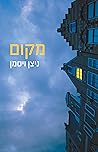 מקום by ניצן ויסמן
My rating: 4 of 5 stars
Hebrew readers - read on, for the review in English scroll down ...
"האפשר להיות בהיר יותר: מהתופת איננו שבים לחיים שעזבנו. החיים הם התופת; עיניים שנפקחו לא במהרה תעצמנה. משהו מהותי משתנה." (עמוד 484).
כמו דנטה שבאמצע חייו מצא עצמו ביער סבוך וממנו ירד שאולה מודרך בידי וירגיליוס כך מוצאים עצמם שלושה צעירים יורדים אל שאול משלהם ונאבקים לחזור ולצוף ממנה אל פני החיים. התופת היא אמסטרדם של שנת 1942-1943 עיר תחת שלטון הכיבוש הגרמני הצד את יהודיה בעזרתם של משתפי פעולה. מי ינצל ומי יהפוך לצל בשאול ומה מהותו של השינוי שיתחולל?
הצעיר הראשון הוא היינריך מנדלסון, פליט יהודי מגרמניה הנאצית, חולני ומופנם. הוא מעביר את ימיו, בגיהינום פרטי: חדר מסתור קטנטן בו אין לו תעסוקה מלבד חיי הרוח – קריאה, כתיבת יומן ותרגום "התופת" לדנטה מאיטלקית לגרמנית. מעל לכל מרחפת הידיעה כי המלשינים הגרמנים עלולים לשים עליו את ידם בכל רגע.
הגיבורה השנייה היא מארטי אהובתו ההרה של היינריך. צעירה שמצאה את עצמה לכודה בחברה ששינתה את פניה, מנסה לתמרן בין משתפי פעולה עם הגרמנים (למשל אחיה) לבין אנשים ונשים העומדים במרי (אביה ודודה). שאיפתה להציל את אהוב ליבה, אך הדבר מחייב אותה לבוא במגע עם הרשע ולנסות לבצע את הבלתי אפשרי, ממש כאורפאוס המבקש לחלץ את אאורידיצ'ה ממלכת המתים.
הצעיר השלישי הוא זיגי פפרמן, מעין דמות מראה של היינריך מנדלסון. גם הוא פליט יהודי מגרמניה, גם הוא במנוסה. שלא כמו היינריך, זיגי הוא ספורטאי מתאגרף הנמצא כל הזמן בתנועה ומבקש את ההימלטות. משנלכד הוא מוצא עצמו בשאול משל עצמו - תיאטרון שהוסב לתחנת מעבר בה נכלאים היהודים הניצודים וממנו הם נשלחים בטרנספורטים אל גורל מאיים ולא ידוע ממנו אינם חוזרים. התיאטרון בנוי כשאול, עם לימבו בתור מבואה, כל מהותו של זיגי היא ניסיונות היחלצות בלתי פוסקים, שאיפה לבצע את הבלתי אפשרי ולהימלט.
ניצן ויסמן יצר כאן מבוך מרשים של אלוזיות ומטאפורות, חציו עשוי הרהורים פילוסופיים וחציו עלילה מותחת. תמצאו כאן את שיטוטיה של מארטי ברחובות אמסטרדם, את הרפתקאותיו של זיגי וקטעי יומן מהורהרים שכותב היינריך במחבואו כמעט מידי יום במשך כמאתיים וחמישים ימים. מלבד התופת של דאנטה והרהורים פילוסופיים אודות הזמן המקום, הזיכרון והחיים המשקפים את הספרים בהם מעיין היינריך במחבואו (כ"מחשבות" של פסקל או "בעקבות הזמן האבוד" של פרוסט – הוגים שהיו מוגבלים לחדרם או שדגלו באידיאה של צמצום מרחב הפעילות, ממש כהיינריך הכלוא בחדרון המסתור), עולה כמובן גם השוואה לרומנים מוכרים שאינם מוזכרים באופן מפורש כ"יומנה של אנה פרנק" ו"הצבעוני השחור" לדיומא. למרות שאינני יודע מתי וכמה זמן עסק ויסמן בכתיבתו של הרומן הלא קצר הזה, לא יכולתי שלא לחוש שהוא משקף לא רק מציאות היסטורית של יהודים מסתתרים, או הרהורים פילוסופיים כלליים אלא גם את תקופת הקורונה על הבידודים והסגרים שבה.
ומה חשבתי על הספר? זהו ספרו הראשון של ויסמן שאני קורא. בדרך כלל אינני חובב של ספרות בדיונית היסטורית ואולי לא הייתי בוחר לקרוא בו אם לא הייתי זוכה בעותק כפרס על חידון. לא יכולתי שלא להתרשם מהמבנה הספרותי המרשים שיצר ויסמן כמו להשתאות ממאמץ השחזור ההיסטורי של אמסטרדם בתקופת השואה, שלמעט מספר נקודות קטן היה משכנע למדי. ויסמן הוא כותב מוכשר ומיומן. קשה למצוא בכתיבתו משפט שלא במקומו או שאינו משרת את העלילה, האווירה או הרעיונות. (יש לציין כי גם העריכה וההגהה מצוינים – את טעויות הכתיב ניתן למנות על שתי אצבעות, להוציא טעות אחת בשמו של גיבור משני המופיע בתחילת הספר כהנס ובסיומו כהיינץ). ההסתייגות היחידה שאני מעלה היא שויסמן כותב הכל. יש שיאהבו זאת ויש שקצת פחות. כל דבר מוסבר לפרטי פרטים (אופן בניית המחבוא, כל דבר ודף ביומן של היינריך, ההיסטוריה של כל הדמויות). זה גם מרשים וגם מתיש. למרות הכתיבה היפה, פרוט רב כזה גולש לעיתים לקלישאות (בתיאורי הסקס, בהרהורים הפילוסופיים כמו גם בתיאור ההתרחשויות המותחות) אולי היה מוטב להסתפק לעיתים בכתיבה מרומזת יותר או בהשארה של חללים בעלילה. ובכל זאת מאחר שאצל ויסמן הכל מלוטש ומשרת את העלילה אוריד לו על הפירוט המוגזם רק חצי כוכב. ****1/2.
"Is it possible to be clearer: from the inferno we do not return to the life we left. Life is the inferno; eyes opened will not soon close. Something essential is changing." (Page 484).
Like Dante who in the middle of his life found himself in a tangled forest from which he descended in to the Inferno guided by Virgil so do three young men find themselves descending to their own Inferno and struggling to return and float to the surface of life. Inferno is the Amsterdam of 1942-1943, a city under German occupation hunting its Jews with the help of collaborators. Who will be saved and who will become a shadow in the Inferno and what is the essence of the change that will take place?
The first young man is Heinrich Mendelssohn, a Jewish refugee from Nazi Germany, sick and introverted. He spends his days, in a private hell: a tiny hiding room where he has no means to pass the time other than the spiritual life - reading, writing a diary and translating the Dante's "inferno" from Italian into German. Above all hovers the knowledge that German informants may get their hands on him at any moment.
The second protagonist is Marty, Heinrich's pregnant lover. A young woman who found herself trapped in a society that changed her face, tries to maneuver between collaborators with the Germans (e.g. her brother) and men and women standing in rebellion (her father and aunt). Her ambition is to save her beloved, but this requires her to come into contact with evil and try to perform the impossible, much like Orpheus seeking to rescue Auridice from the realm of the dead.
The third young man is Ziggy Pepperman, a sort of mirror figure of Heinrich Mendelssohn. He is also a Jewish refugee from Germany, also on the run. Unlike Heinrich, Ziggy is a boxing athlete who is constantly on the move seeking escapes. When he is captured, he finds himself in his own abyss - a theater that has been converted into a transit station where the hunted Jews are imprisoned and from which they are sent in transports to a threatening and unknown fate from which they do not return. The theater is built as an Inferno, with limbo as a foyer. The whole essence of Ziggy is relentless attempts at rescue, an aspiration to perform the impossible and escape.
Nitzan Weissman has created here an impressive maze of allusions and metaphors, half made of philosophical reflections and half a suspenseful plot. Here you will find Marty's wanderings through the streets of Amsterdam, Ziggy's adventures and thoughtful diary entries that Heinrich writes in his hiding place almost daily for about two hundred and fifty days. Aside from Dante's inferno and philosophical reflections on time, place, memory and life that reflect the books Heinrich reads in his hiding place (as Pascal's "Pensées" or Proust's 'In Search of Lost Time' - thinkers who were confined to their room or who espoused the idea of reducing activity space in favor of staying in one's room), of course, there is also a comparison to familiar novels that are not explicitly mentioned as "The Diary of Anne Frank" and Dumas's "The Black Tulip". Although I do not know when and for how long Weissman was engaged in writing this not-so-short novel, I could not help but feel that it reflects not only the historical reality of hiding Jews, or general philosophical reflections but also the Corona period with its isolations and closures.
And what did I think of the book? This is the first book by Weissman I have read. I'm not usually a fan of historical fiction and I might not have chosen to read it if I had not won a copy as a prize for answering a quiz. I could not help but be impressed by Weissman's literary structures and be astonished by the historical reconstruction of Amsterdam during the Holocaust which, except for a few minor defects, was quite convincing. Weissman is a talented and skilled writer. It is difficult to find in his writing a sentence that is out of place or one that does not serve the plot, atmosphere or ideas. (It should be noted that the editing and proofreading are also excellent - the spelling mistakes can be counted on two fingers, except for one mistake in the name of a secondary hero who appears at the beginning of the book as Hans and at the end as Heinz). The only reservation I raise is that Weissman writes everything. Some will like it and some a little less. Everything is explained in great detail (how the hideout was built, every page in Heinrich's diary, the history of all the characters). It is both impressive and exhausting. Despite the beautiful writing, such a great deal of detail sometimes slips into clichés (in the descriptions of sex, in the philosophical reflections as well as in the description of the suspenseful events) it might have been better sometimes to settle for more implicit writing or leaving spaces in the plot. And yet since with Weissman everything is polished and serves the plot I will reduce, due to the exaggerated detail, only half a star. **** 1/2.
View all my reviews

0 תגובות:
הוסף רשומת תגובה